
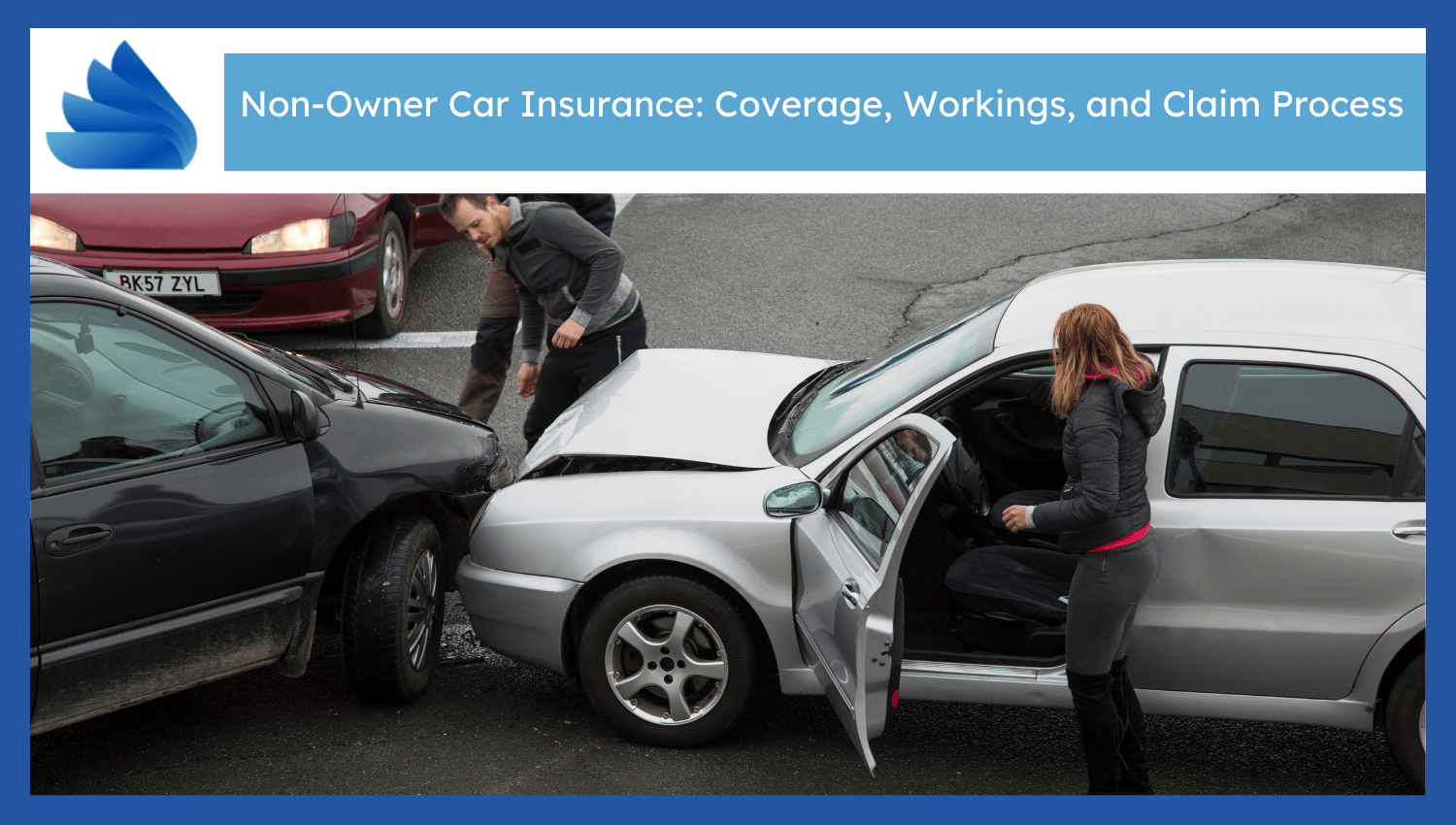
Non-Owner Car Insurance: Coverage, Workings, and Claim Process
Non-owner car insurance protects against third-party injuries and property damage when a non-owner causes an accident. It excludes collision, vehicle repairs, or medical bills. This policy works only as secondary coverage after the car owner’s insurance activates first.
It applies when driving rental cars, borrowed vehicles, or car-sharing services. According to a 2021 report by the Insurance Research Council, 14.2% of U.S. drivers operated cars they did not own. This policy closes liability gaps in those cases.
Reddit discussions show annual premiums range between $150 and $300, depending on driving history and state laws. It offers valid proof of insurance for license reinstatement in 48 U.S. states without owning a car.
This policy excludes regular-use cars within a household.
How Does Non-Owner Car Insurance Work?
Here is the seven step working of Non-Owner Car Insurance working:- Drivers Without Owned Vehicles: This policy provides liability cover to the individuals who drive cars they do not own frequently. It assists in accidents involving the driver at fault in the event of using a non-owned car.
- Liability-Only Policy: It covers medical costs or other damages to the property of the other person. It does not cover damage to the car being operated nor the individual medical bills of the driver.
- Covers Multi Vehicles: The policy is applicable in various vehicles such as borrowed cars, rentals, and car-sharing vehicles. It remains in force so that it applies to the driver, not the vehicle used, regardless of which one it is.
- Excess Coverage: It only becomes functional when the insurance of the vehicle owner does not cater to all expenditures. It covers the rest up to its limit once the main policy terminates.
- State-Required Minimums: It satisfies the “minimum coverage legislation” in most U.S. states. The liability limits required by each state vary, and this policy refers to those specific amounts, to remain valid.
What Does Non-Owner Car Insurance Include?
Here are the four liability Non-Owner Car Insurance include:- Bodily Injury Liability: This component of the policy covers medical expenses when another person is injured in an accident involving you. It comprises hospital charges, visits to doctors, and other expenses of injured individuals.
- Property Damage Liability: This is coverage that covers the property of others when you damage their car, building, wall or other property in an accident. It assists in footing the bill in repairing or replacing whatever broke or was damaged.
- Uninsured/Underinsured Motorist Coverage: This is the optional cover that is used in case the other driver gets into an accident and either has insufficient insurance or no insurance. It pays out your injuries or damages that the other person cannot afford.
- Personal Injury Protection (PIP): This additional cover is permitted in some states. It covers your personal medical expenses in case of an accident, such as hospital services, loss of earnings, and in some cases other expenses, regardless of whether you were at fault in the accident.
How to File a Non-Owner Car Insurance Claim?
Here are the five steps to claim Non-Owner Car Insurance:- Report the Incident: Call your insurance company as soon as possible after the accident. Get all basic details such as time, place and what occurred. Reporting shortly promotes quick initiation of the claim process and prevents delays.
- Report the Accident: Take clear pictures of damages and accident scenes. Gather witnesses and their contact details. Take a police report in case police are present. These assist in proving your argument and what occurred.
- Make a Proof of Loss: Complete claim forms correctly. Include receipts on costs such as medical expenses or repair bills. Enclose any statements requested by the insurer to confirm your losses to fast track approval of claims.
- Claims Adjuster work: Be direct and truthful in response to questions. Permit the adjuster to view the vehicle or accident scene when necessary. Collaboration leads to correct damage assessment and a fair claim process.
- Receive Settlement: Upon review, the insurer makes payment relative to your policy limits and terms. Payments are made on suitable damages or injuries according to the policy coverage and the claim agreement.
How to Choose the Right Non-Owner Car Insurance?
Here are the seven ways to choose right Non-Owner Car Insurance:- Compare Premiums: Obtain insurance quotes with a few companies to get the best price. By comparing premiums, it is easy to discover cheap coverage without overly paying other companies to receive the same protection.
- Coverage Limit Reviews: See whether the liability limits are higher than those required by the laws of the state and your financial demands. Selection of appropriate limits should be done to eliminate out-of-pocket costs in the case of damages or injuries exceeding your policy.
- Consider Add-Ons: Search non-required coverage such as uninsured motorist (UM/UIM) or personal injury protection (PIP). These options cover additional protection over ordinary liability in certain circumstances.
- Learn Policy Exclusions: Carefully read through the small print to find out what is excluded. Preventing coverage gaps help you never incur any surprise expenses at the time of claiming or accidents.
- Confirm Rental Car Insurance: Make sure that the policy covers a rented car in case you use cars frequently. This protection is provided in some non-owner policies and eliminates the necessity to purchase additional insurance on rental.
- Ability to file SR-22: States issue SR-22 proofs of insurance on a violations basis. Ensure your insurance covers filing of SR-22 documents in the event that the state requires this to restore your driving privileges.
- Evaluate claim service image: Study the speed and evenhandedness with which an insurer processes claims. Selecting a company having positive customer feedback, you can prevent delays or controversy when you claim.
Who Should Consider Non-Owner Car Insurance?
Here are the four group consider Non-Owner Car Insurance:- Frequent Car Renters: This insurance prevents the renter paying costly premiums that the rental firms charge to insure. It offers liability coverage at a reduced rate on car rental on a regular basis.
- Frequent Borrowers of Cars People: This policy covers you in cases where you drive the cars of friends and family members regularly. It safeguards you against liability exposure on vehicles that are not yours.
- Drivers requiring Nonstop Coverage: This policy allows drivers who do not own a car to maintain an active insurance history. It prevents lapse of coverage which increases premiums in future.
- Car-Sharing Consumers: Car-sharing users have additional liability coverage beyond what the service offers. This insurance eliminates insurance gaps and decreases personal financial exposures when sharing with a car.